Designing 21st by CentraleSupélec for three audiences, without flattening any
21st by CentraleSupélec is a Station F-linked initiative bridging academia and industry. The product had to land credibly with three distinct audiences (students, alumni and industry partners) without diluting any. Research-led, audience-segmented, measurable.
Context
21st sits at the intersection of three networks (students, alumni, industry partners), each with different reasons to engage. Communicating value to a single audience is hard; doing it to three at once, without flattening into a generic "innovation hub" page, is harder.
The brief was clear: a digital presence that speaks credibly to all three, drives event registrations, and earns the brand trust that lets CentraleSupélec compete for visibility with the Station F portfolio.
Research
Two streams of work informed every product decision that followed:
- Competitive teardown of 14 comparable academic–professional programs (HEC Stories, Polytechnique X-UP, MIT Sandbox, Y Combinator, Station F portfolio sites), mapping what worked, what didn't, and where the white space was.
- Persona work with the program leadership and a sample of each audience, surfacing what each group expected from the platform on first visit and what would convert them.
Three personas anchored the work
- Current Student. Looking for credible career signals and resources.
- Alumni. Wants to stay connected and discoverable, with low friction.
- Industry Professional. Seeks talent pipeline and partnership clarity.
Strategy
Three product decisions drove the design:
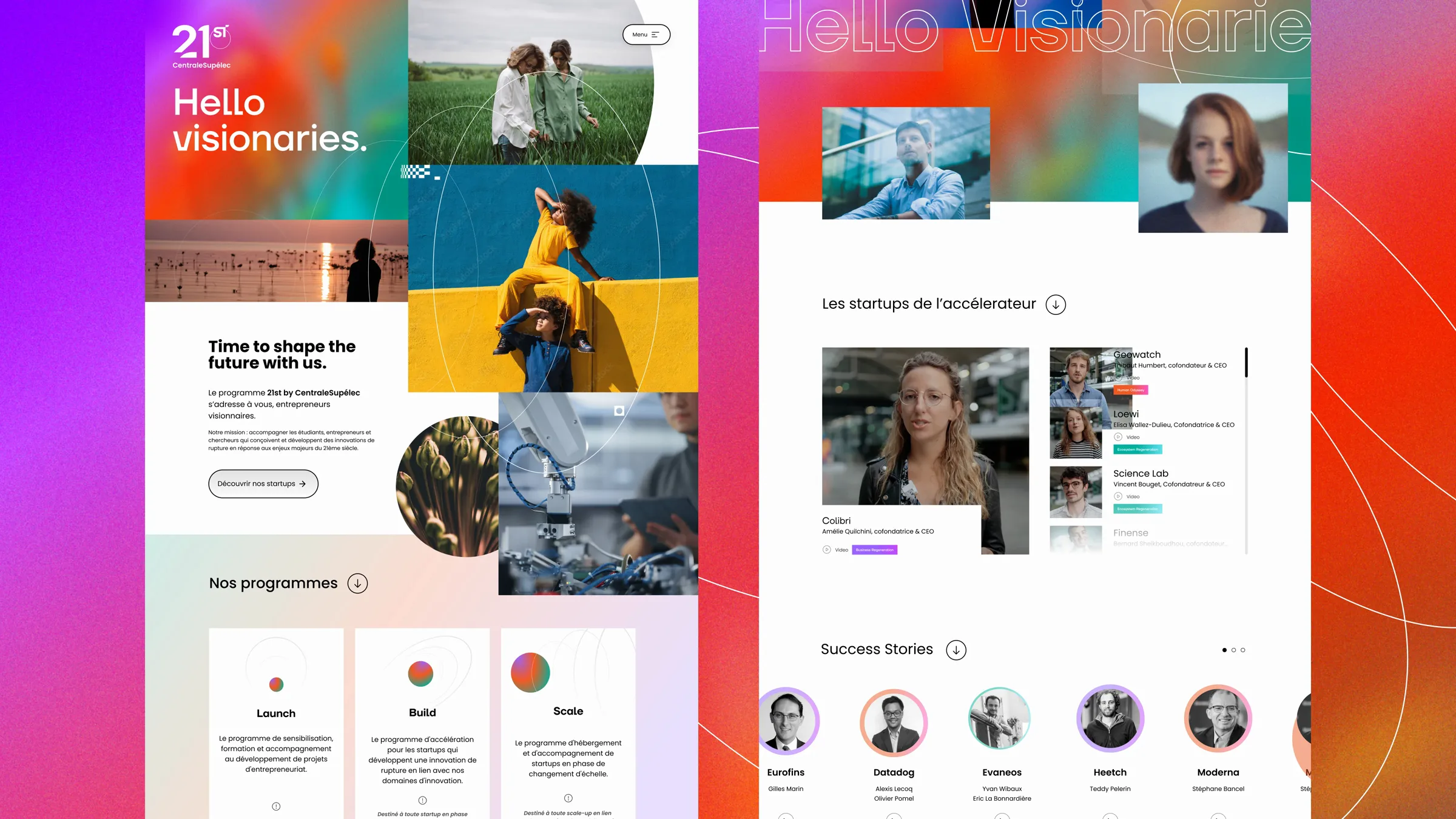
- Audience-segmented entry. The homepage routes each persona to its own narrative path within one click. No generic "learn more".
- Event registration as the primary funnel. Turning passive interest into measurable action, designed as a 3-step flow with no friction.
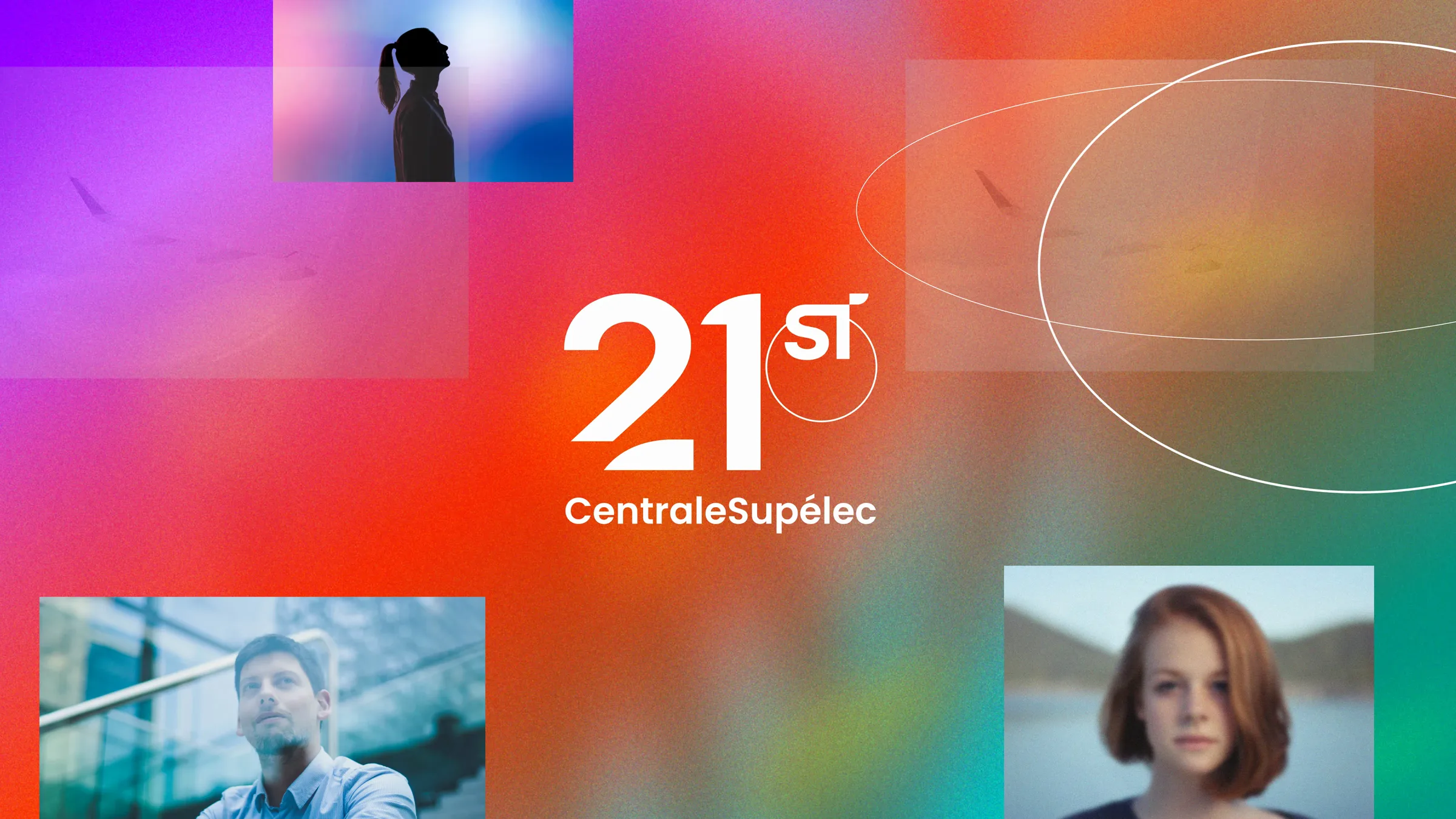
- Brand system that signals serious. Neither "startup chic" nor "corporate academia", but a deliberate in-between that earned credibility on both sides.
Collaboration & process
Tight loop with an Art Director on typography and brand language, plus the program leadership for content validation. My role: own the UX/UI, drive the product decisions, and translate brand direction into measurable interface choices.
- Early user feedback (n=12) emphasised navigation clarity over visual polish, informing multiple iterations on the event-flow and homepage routing.
- Two design reviews with program leadership to align persona priorities against the institutional voice.
- Handover documentation written for a dev team I'd never met, and the site shipped without a revisit.
Outcomes
- Audience-routed homepage with three distinct value-prop paths.
- Streamlined event-registration flow (3 steps, no friction), built to be the primary conversion metric.
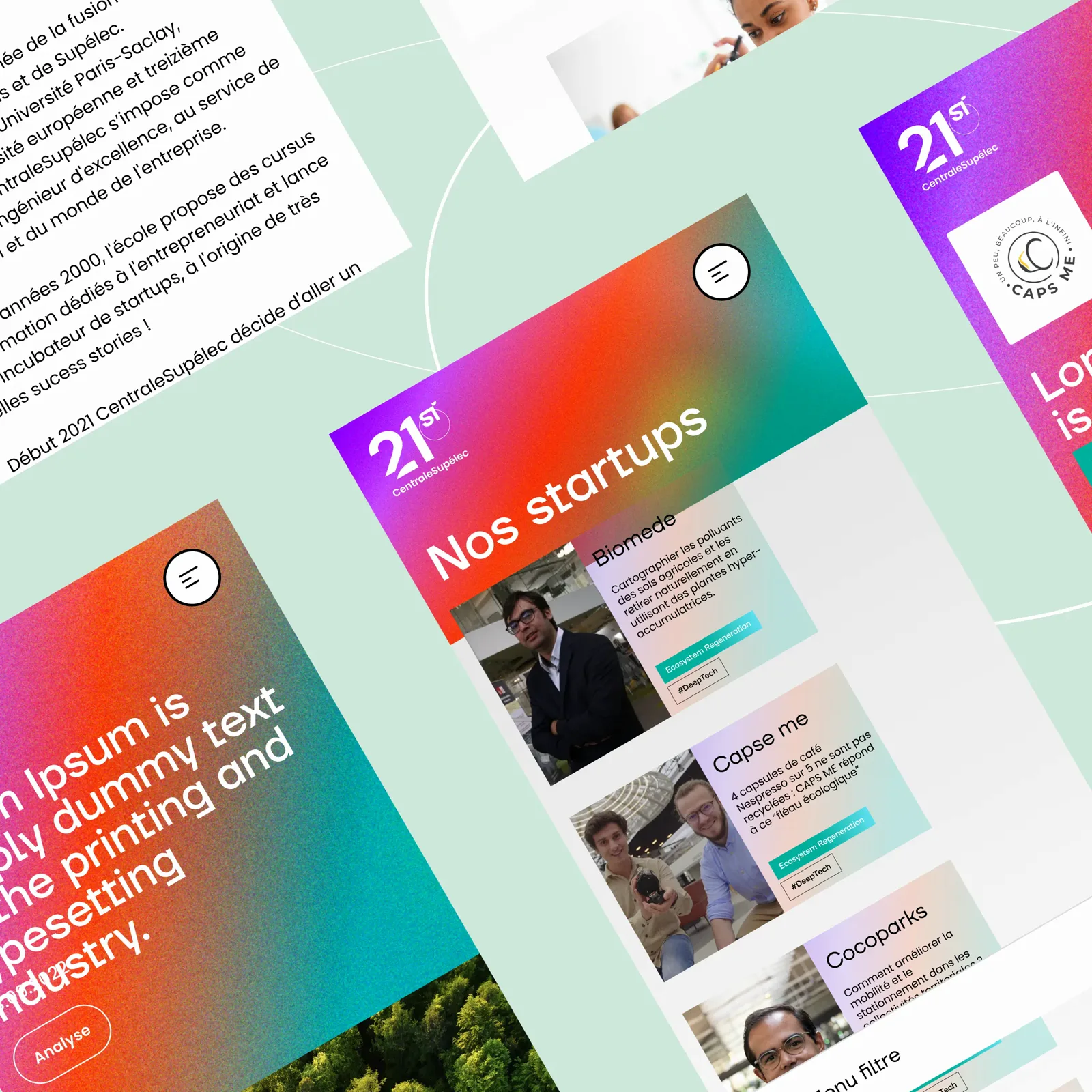
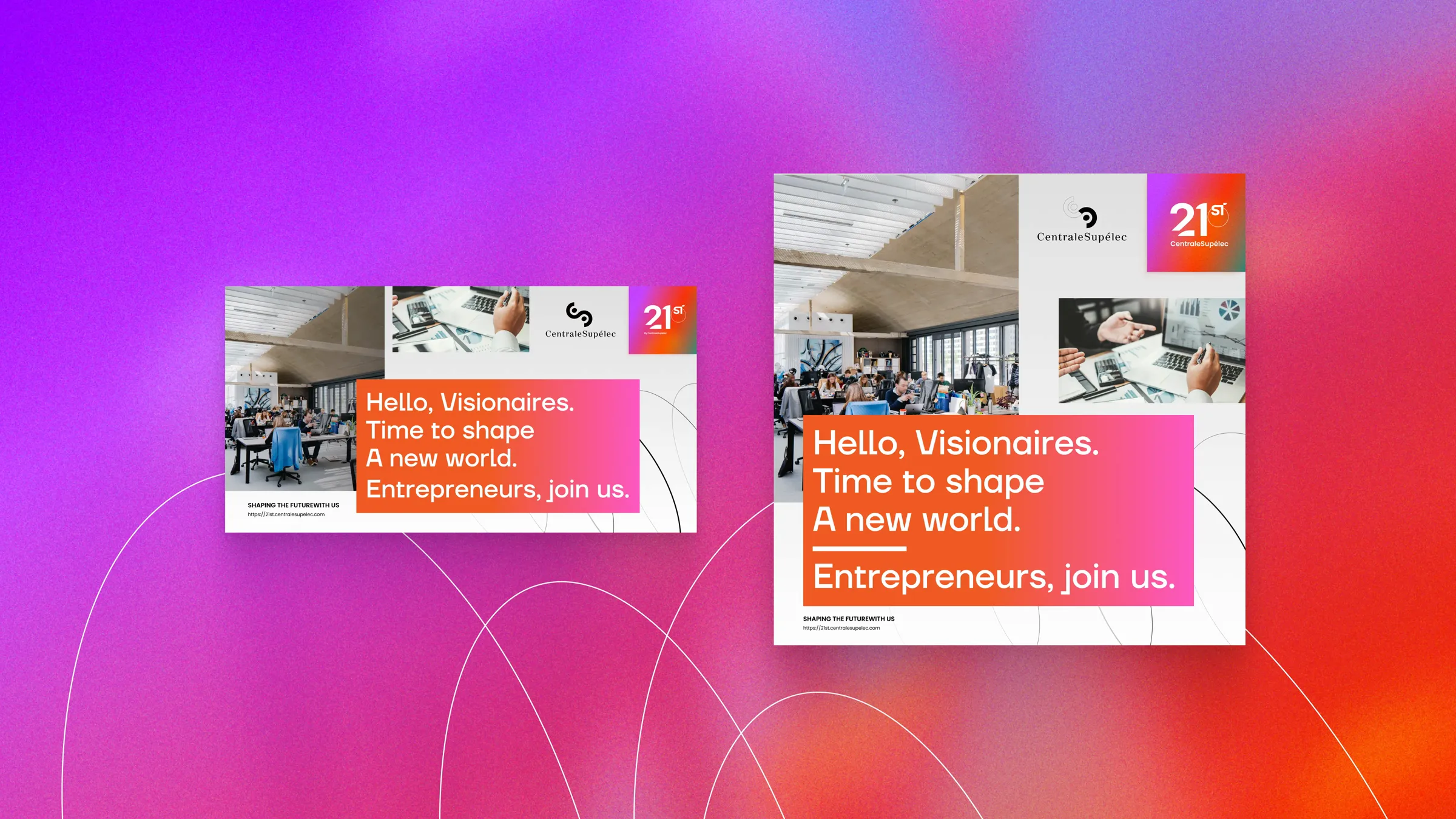
- Consistent visual identity across web and social, built to scale across recurring program editions.
Reflection
Designing for multiple audiences forces a discipline I bring to every brief: stop trying to please everyone in one frame. Segment the entry, then unify the experience. The work was a brand-trust exercise as much as a UX one. The lesson: those two are inseparable when you're building credibility for a new institution.